
















 English
In the world of mechanical design, springs play a crucial role in absorbing shock, storing energy, and maintaining force in assemblies. Among the many types of springs available, wave springs have gained popularity for their space-saving design, precision, and versatility. Understanding what is a wave spring, how it works, and where it is used is essential for engineers, designers, and buyers in multiple industries.
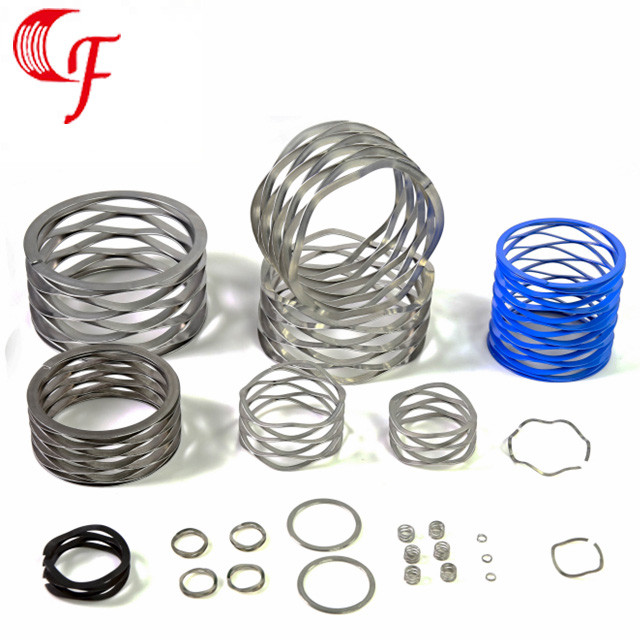
Understanding Wave Springs
A wave spring is a type of Compression spring made from flat wire formed into waves, rather than the conventional helical coil. The wavy design allows it to provide the same load as a traditional coil spring while occupying significantly less axial space. This makes wave springs ideal for applications where compactness is critical, such as aerospace, automotive, medical devices, and industrial machinery.
The wavy structure of the spring allows it to compress and exert force along the axis, maintaining consistent load and minimizing stress concentrations.
How Wave Springs Work
Unlike standard cylindrical springs, a wave spring uses a series of alternating high and low points—known as waves—to store energy. When compressed, the waves flatten slightly, providing a controlled force. The number of waves, the thickness of the material, and the spring diameter all affect the load, deflection, and performance of the spring.
A common variant is the wave disc spring, which is essentially a single or stacked disc with a wavy profile, providing precise force in limited space.
Advantages of Wave Springs
Wave springs offer several benefits compared to traditional coil springs:
Space-Saving Design – Can reduce the required axial space by up to 50%.
Precision Load Control – Provides a consistent load over a small deflection range.
Reduced Material Usage – Less wire material is needed for the same load, reducing weight and cost.
Customizable – Can be tailored for specific load, diameter, material, and thickness.
Versatility – Compatible with high-precision machinery, bearings, seals, and automotive components.
Types of Wave Springs
Wave springs come in several variations depending on the application:
Single Turn Wave Springs
Made from a single coil of flat wire
Suitable for light to moderate load applications
Easy to install in small assemblies
Multi-Turn Wave Springs
Consist of several coils stacked together
Provide higher load capacities and longer travel
Often used in industrial machinery and high-load applications
Wave Disc Springs
Single or stacked discs with a wavy edge
Excellent for precise force in limited space
Often used in clutches, bearings, and valve assemblies
Applications of Wave Springs
Wave springs are used in a wide range of industries due to their compactness and load-bearing capability:
Automotive
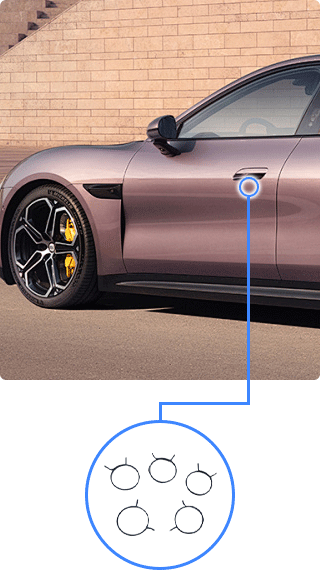
Clutches and transmissions
Suspension systems
Bearing preload applications
Aerospace
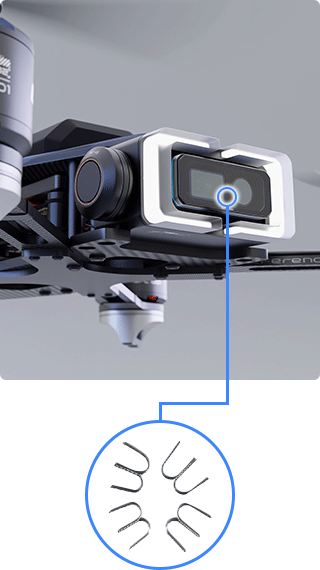
Lightweight, compact springs for control systems
High-precision load requirements
Industrial Machinery
Compressing and maintaining force in assemblies
Reducing wear and vibration
Medical Devices
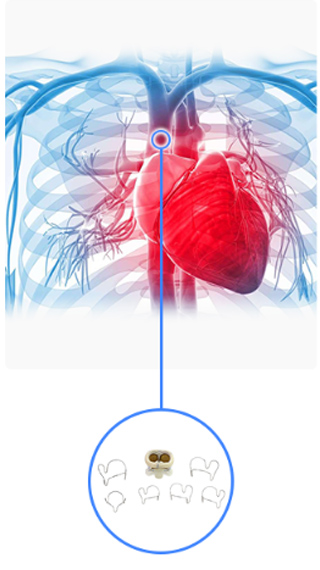
Small, precise springs for surgical tools and diagnostic equipment
Load control in minimal space
The space-saving nature of wave springs makes them particularly valuable in high-precision applications where traditional compression spring suppliers would struggle to fit a standard coil spring.
Working with Wave spring manufacturers
Selecting the right wave spring manufacturers or spring manufacturers ensures optimal design, quality, and performance. Professionals in this field offer:
Custom spring manufacturing – Tailoring load, diameter, wave height, and material to your specifications.
Material selection – Stainless steel, carbon steel, or special alloys for high-temperature or corrosion-resistant applications.
Prototyping and testing – Ensuring performance before full-scale production.
Support for related spring types – Including Compression spring manufacturers, Torsion Spring manufacturers, and custom compression spring services.
Working with experienced suppliers allows engineers to achieve the exact force and deflection requirements while maintaining reliability and durability.
Comparison with Other Springs
Wave springs are often compared with traditional coil springs, torsion springs, and disc springs:
Coil Springs – Standard helical springs require more axial space and material for the same load.
Torsion Springs – Convert torque rather than compression, suitable for rotational applications.
Disc Springs – Provide high load in small spaces, similar to wave disc springs but usually more specialized.
For applications where compactness and precise load are essential, wave springs provide a distinct advantage over conventional spring types.
Custom Wave Spring Solutions
Many industries require custom spring manufacturing solutions. Custom wave springs can be designed with specific:
Axial load
Spring diameter
Wave height and thickness
Material composition
Environmental resistance (temperature, corrosion, chemical exposure)
This customization allows engineers to integrate wave springs into assemblies where standard springs cannot meet requirements.
How to Choose the Right Wave Spring
Selecting the correct wave spring involves considering:
Load Requirements – Determine the force needed and the allowable deflection.
Space Constraints – Measure the axial space and diameter available.
Material – Choose based on environmental conditions and stress requirements.
Stacking Options – Multi-turn or stacked wave disc springs may be necessary for higher loads.
Supplier Expertise – Work with reputable wave spring manufacturers or compression spring suppliers who can provide testing and quality assurance.
By evaluating these factors, engineers can optimize performance and longevity while minimizing weight and cost.
Advantages of Working with Professional Spring Manufacturers
Professional spring manufacturers provide:
Precision engineering and manufacturing expertise
High-quality materials and consistent production standards
Support for complex designs and custom compression spring solutions
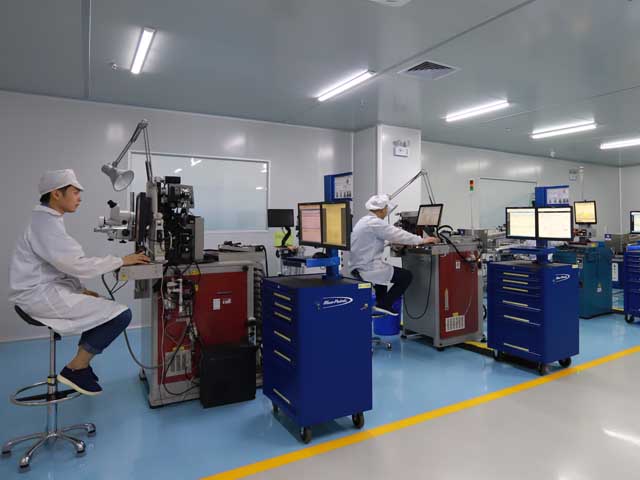
Industry certifications and quality control for aerospace, automotive, and medical sectors
This ensures that your wave spring performs reliably under demanding conditions.
Conclusion
A wave spring is a highly efficient, compact, and versatile spring that offers many advantages over traditional coil springs. Whether using single-turn wave springs, multi-turn designs, or wave disc springs, these components provide space-saving solutions while maintaining precise load and deflection.
By working with experienced wave spring manufacturers, torsion spring manufacturers, and compression spring manufacturers, engineers can access custom spring manufacturing services to create reliable, high-performance components tailored to their applications. With proper selection, design, and installation, wave springs can improve mechanical efficiency, reduce material use, and enhance the lifespan of assemblies in automotive, aerospace, medical, and industrial sectors.
