















 English
Torsion Springs are small mechanical components, but in many appliances, especially coffee machines, they play a critical role in ensuring smooth, reliable operation. From brew group mechanisms and lever systems to lid closures and safety interlocks, a properly functioning torsion spring ensures precise movement and controlled return force.
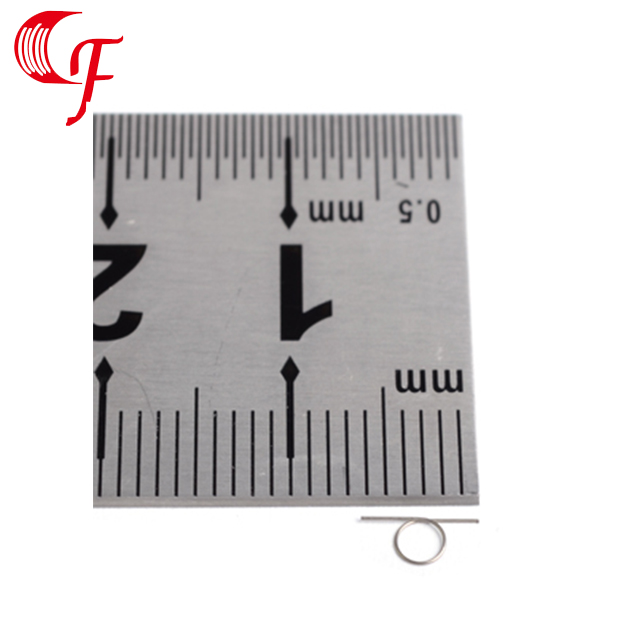
When a broken torsion spring occurs, the coffee machine may fail to operate correctly, leading to issues such as stuck levers, incomplete brewing cycles, or loose components. This article provides a comprehensive guide on how to replace a torsion spring, with a specific focus on coffee machine applications, helping technicians, manufacturers, and maintenance professionals restore performance safely and efficiently.
1. What Is a Torsion Spring?
A torsion spring is a type of mechanical spring that works by twisting rather than compressing or stretching. When torque is applied to the spring legs, the spring stores rotational energy and then releases it to return a component to its original position.
In coffee machines, torsion springs are commonly used as:
Lever return mechanisms
Button or switch return elements
Door or lid hinge springs
Brew unit positioning springs
A Torsion Return Spring ensures that moving parts return smoothly and consistently after each operation cycle.
2. Why Torsion Springs Are Important in Coffee Machines
Modern coffee machines—whether espresso machines, capsule systems, or commercial coffee brewers—rely on precision mechanical movements. A properly designed torsion spring provides:
Consistent torque and return force
Smooth user interaction (lever feel, button rebound)
Reduced wear on plastic or metal components
Reliable operation over thousands of brew cycles
If a broken torsion spring goes unnoticed, it can cause secondary damage to cams, hinges, or even the motor-driven mechanisms inside the machine.
3. Common Signs of a Broken Torsion Spring in a Coffee Machine
Before learning how to replace a torsion spring, it is important to identify whether the spring is truly the source of the problem.
Common symptoms include:
Levers that do not return to the starting position
Brew group components feeling loose or misaligned
Doors or lids failing to close properly
Buttons or switches sticking after being pressed
Unusual mechanical noise during operation
In many cases, these issues are traced back to a fatigued or broken torsion spring.
4. Safety Precautions Before Replacing a Torsion Spring
Coffee machines combine electrical, mechanical, and thermal systems, so safety is critical.
Before starting:
Disconnect the coffee machine from power
Allow the machine to cool completely
Drain any remaining water or pressure
Wear safety gloves and eye protection
Even small torsion springs store energy, and improper handling can lead to injury.
5. Identifying the Correct Torsion Spring
Not all torsion springs are interchangeable. Before replacement, confirm the following specifications:
Wire diameter
Inner and outer coil diameter
Number of active coils
Leg length and leg angle
Direction of winding (left-hand or right-hand)
For manufacturers or repair professionals, sourcing the correct replacement from torsion springs for sale listings often requires matching these parameters precisely.
6. Tools Required for Torsion Spring Replacement
To replace a torsion spring in a coffee machine, you typically need:
Screwdrivers (Phillips and flat-head)
Needle-nose pliers
Small hook tool or pick
Torque reference or spring diagram (if available)
Having the correct tools minimizes the risk of damaging surrounding components.
7. Step-by-Step: How to Replace a Torsion Spring in a Coffee Machine
Step 1: Access the Spring Location
Remove the outer casing or relevant panels of the coffee machine. In many designs, torsion springs are located near:
Brew group hinges
Lever pivots
Door or lid joints
Carefully document the assembly order for reinstallation.
Step 2: Observe the Original Spring Orientation
Before removal, take photos or notes of:
Spring winding direction
Leg positioning
Anchor points
This is especially important for a torsion return spring, as incorrect orientation will prevent proper function.
Step 3: Remove the Broken Torsion Spring
Using pliers or a hook tool:
Release one leg from its anchor point
Slowly unwind the spring to release tension
Remove the spring from the shaft or post
Handle the broken torsion spring carefully, as fractured ends can be sharp.
Step 4: Install the New Torsion Spring
Position the replacement torsion spring onto the pivot or shaft. Then:
Secure the spring body in place
Engage the first leg into its anchor
Rotate the spring to apply preload
Attach the second leg to its anchor point
Correct preload is essential for achieving the desired return force.
Step 5: Test the Torsion Return Function
Before fully reassembling:
Manually move the component
Confirm smooth rotation
Ensure proper return to the rest position
If resistance feels uneven or excessive, recheck spring alignment.
Step 6: Reassemble and Final Test
Reinstall all covers and panels, reconnect power, and perform a test cycle. The machine should now operate smoothly, with restored mechanical response.
8. Common Mistakes When Replacing Torsion Springs
Installing the wrong winding direction
Applying excessive preload
Using a spring with incorrect torque rating
Forcing the spring into position
These errors can shorten spring life or damage the coffee machine.
9. Materials Used for Coffee Machine Torsion Springs
High-quality torsion springs for coffee machines are typically made from:
Music wire (high strength, indoor use)
Stainless steel (corrosion resistance)
Oil-tempered wire (durability under cyclic load)
For humid or high-temperature environments, Stainless Steel Torsion Springs are often preferred.
10. Torsion Spring Fatigue and Service Life
A coffee machine may cycle thousands of times per year. Over time, even well-designed springs can experience fatigue.
Factors affecting lifespan:
Load stress
Operating temperature
Moisture exposure
Material quality
Regular inspection helps identify a failing spring before complete failure.
11. When to Replace Instead of Repair
Unlike some components, torsion springs should not be repaired or reshaped. If you detect:
Cracks or fractures
Permanent deformation
Loss of torque
A full replacement is the safest and most reliable solution.
12. Sourcing Torsion Springs for Sale
When looking for torsion springs for sale, consider suppliers that offer:
Custom spring design support
Tight dimensional tolerances
Consistent torque performance
Material certifications
For OEM coffee machine manufacturers, working with a specialized spring supplier ensures long-term product reliability.
13. Custom Torsion Springs in Coffee Machine Manufacturing
Many coffee machine brands use custom-designed torsion springs to achieve:
Specific lever feel
Quiet operation
Compact internal layouts
Custom torsion return springs allow designers to balance ergonomics, durability, and cost.
14. Maintenance Tips to Extend Torsion Spring Life
Avoid forcing stuck components
Keep internal mechanisms clean
Reduce moisture buildup
Use original-spec replacement parts
Preventive maintenance significantly reduces the risk of a broken torsion spring.
15. Frequently Asked Questions (FAQ)
Q1: Can I replace a torsion spring myself?
Yes, with proper tools and care, but professional service is recommended for commercial coffee machines.
Q2: Are torsion springs universal?
No. Each application requires specific dimensions and torque.
Q3: How often should torsion springs be replaced?
Typically only when signs of fatigue or failure appear.
Conclusion
Understanding how to replace a torsion spring is essential for maintaining the mechanical reliability of coffee machines. Whether used as a torsion return spring in a lever system or a hinge mechanism, a properly selected and installed torsion spring ensures smooth operation, consistent performance, and long service life.
When a broken torsion spring occurs, timely replacement using correctly specified torsion springs for sale prevents further damage and downtime. For manufacturers and service professionals alike, investing in high-quality torsion springs is a key step toward durable, high-performance coffee machine design.
