


















 English
Compression springs are one of the most widely used mechanical components in industrial equipment, consumer products, automotive systems, and precision devices. From heavy machinery to delicate electronic assemblies, compression springs play a critical role in storing energy, absorbing shock, maintaining force, and ensuring structural stability.
1. What Are Compression Springs?
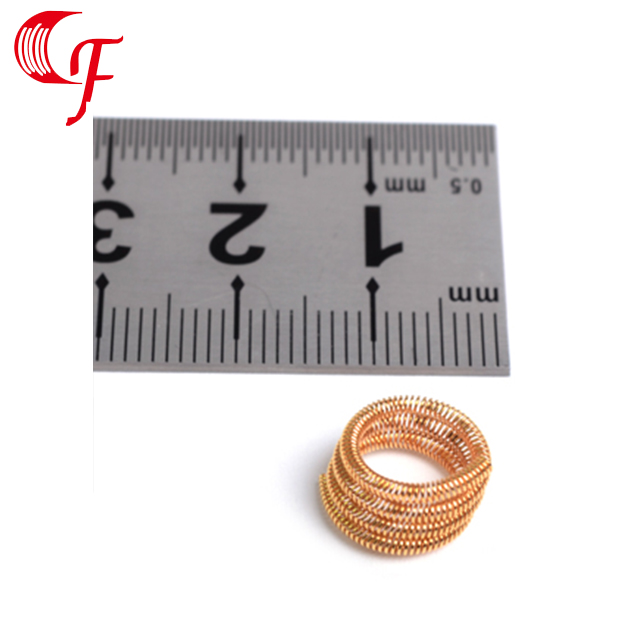
Compression springs are open-coil helical springs designed to resist compressive forces. When a load is applied, the spring compresses (shortens in length) and stores mechanical energy. Once the force is removed, the spring returns to its original shape, releasing the stored energy.
They are typically cylindrical in shape, but can also be conical, barrel-shaped, or hourglass-shaped depending on application requirements.
2. How Do Compression Springs Work?
To understand how do compression springs work, we need to look at their basic mechanical principle.
When force is applied:
The coils move closer together.
Elastic deformation occurs in the wire.
Mechanical energy is stored inside the spring.
When the force is removed:
The spring wire attempts to return to its original form.
The stored energy is released.
The spring pushes back against the applied load.
This push-back force is known as the spring rate (stiffness), which is determined by:
Wire diameter
Coil diameter
Number of active coils
Material type
The greater the stiffness, the more force required to compress the spring. This principle allows compression springs to function in shock absorption systems, valves, electrical switches, and industrial machinery.
3. Common Materials Used in Compression Springs
Material selection determines strength, corrosion resistance, fatigue life, and temperature tolerance.
1. Stainless Steel Compression Springs
Stainless steel compression springs are widely used because they offer:
Excellent corrosion resistance
High strength
Good temperature performance
Long fatigue life
Industries such as food processing, medical devices, marine systems, and outdoor equipment often prefer stainless compression springs for their durability and resistance to rust.
2. Carbon Steel Springs
Cost-effective
Suitable for dry environments
Good strength performance
3. Alloy Steel Springs
Higher load capacity
Improved fatigue resistance
Suitable for heavy-duty applications
4. Types of Compression Springs
1. Standard Compression Springs
These are general-purpose springs available in various specifications.
2. Compression Springs by Size
Compression springs by size refer to categorized springs based on:
Outer diameter
Free length
Wire diameter
Load capacity
Selecting the correct size ensures proper functionality and long service life.
3. Small Compression Springs
Small compression springs are used in compact mechanical assemblies such as:
Electronics
Toys
Medical instruments
Precision switches
4. Micro Compression Springs
Micro compression springs are extremely small springs used in:
Micro-electronics
Watch mechanisms
Medical implants
Miniature sensors
They require ultra-precise manufacturing and tight tolerances.
5. Miniature Compression Springs
Miniature compression springs are slightly larger than micro springs but still designed for limited-space environments.
6. Tiny Compression Spring Solutions
A tiny compression spring is used when space is extremely restricted. These springs are engineered for precision applications requiring minimal footprint.
7. Small Strong Springs
Small strong springs combine compact size with high load-bearing capacity. They are commonly used in automotive connectors and mechanical locking systems.
5. Custom Compression Springs
Not all applications can use standard catalog products. That is where Custom compression springs become essential.
Custom compression springs can be tailored according to:
Specific load requirements
Space limitations
Temperature conditions
Corrosion exposure
Special end configurations
Surface treatments
Custom manufacturing ensures optimal performance and increases product reliability.
6. Manufacturing Process
Professional Compression spring manufacturers follow a structured process:
Step 1: Material Selection
Choosing appropriate wire such as stainless steel or alloy steel.
Step 2: Wire Coiling
Using CNC coiling machines for high precision.
Step 3: Heat Treatment
Enhancing strength and elasticity.
Step 4: Grinding Ends (if required)
Ensuring flat and stable seating.
Step 5: Surface Treatment
Such as passivation, plating, or coating.
Step 6: Quality Inspection
Including load testing, fatigue testing, and dimensional inspection.
Reliable compression spring suppliers implement strict quality control standards to ensure consistency.
7. Applications of Compression Springs
Compression springs are used across numerous industries:
Automotive Industry
Suspension systems
Engine valves
Brake systems
Electronics
Battery contacts
Switches
Connectors
Medical Equipment
Surgical devices
Syringes
Diagnostic tools
Industrial Machinery
Shock absorption
Valve control
Equipment stabilization
Consumer Products
Pens
Appliances
Door mechanisms
Small compression spring assortment kits are often used for maintenance and repair applications where various sizes are needed.
8. Advantages of Stainless Steel Compression Springs
Stainless steel compression springs offer several benefits:
Long lifespan
Excellent corrosion resistance
Minimal maintenance
High mechanical stability
Suitable for humid and chemical environments
For applications exposed to water, chemicals, or outdoor weather, stainless compression springs are often the best choice.
9. How to Choose Compression Spring Manufacturers
Selecting reliable compression spring manufacturers is critical for quality assurance.
Consider the following:
Manufacturing experience
Production equipment
Customization capability
Quality certifications
Testing capability
Delivery reliability
Professional compression spring suppliers should also provide technical support and engineering consultation.
10. Choosing the Right Compression Springs by Size
To choose the correct compression springs by size, you must determine:
Maximum load
Working load
Available installation space
Required spring rate
Operating temperature
Incorrect sizing can lead to:
Premature failure
Permanent deformation
Load instability
11. Small Compression Spring Assortment Kits
A small compression spring assortment typically includes multiple sizes for quick replacement and repair tasks.
These kits are popular among:
Maintenance technicians
Engineers
DIY users
Equipment repair professionals
They provide convenience and flexibility for small-scale repairs.
12. Common Problems and Solutions
Problem 1: Spring Fatigue Failure
Solution: Use higher-grade material such as stainless steel compression springs.
Problem 2: Corrosion
Solution: Choose stainless compression springs or apply protective coatings.
Problem 3: Incorrect Load Capacity
Solution: Consult professional compression spring manufacturers for custom compression springs.
Problem 4: Limited Installation Space
Solution: Use micro compression springs, miniature compression springs, or a tiny compression spring design.
13. Future Trends in Compression Spring Technology
Modern manufacturing trends include:
CNC high-precision coiling
Advanced alloy materials
Surface enhancement treatments
Custom micro-scale production
Lightweight small strong springs for compact devices
The demand for micro compression springs and miniature compression springs is growing rapidly with the rise of miniaturized electronics and smart devices.
Conclusion
Compression springs are essential mechanical components used to store energy, absorb shock, and maintain force in countless applications. Understanding how do compression springs work helps engineers design reliable and efficient systems.
From stainless steel compression springs for harsh environments to micro compression springs for delicate electronics, these components come in a wide variety of forms. Whether selecting compression springs by size, ordering custom compression springs, or sourcing from trusted compression spring suppliers, choosing the right solution ensures durability and performance.
With advancements in precision manufacturing, compression spring manufacturers continue to provide innovative solutions, including small strong springs, tiny compression spring options, and complete small compression spring assortment kits for diverse industrial and commercial needs.
Compression springs may appear simple, but their engineering precision and functional importance make them one of the most critical components in modern mechanical systems.
